
Selecting the right materials for die-cutting can feel like navigating a maze. Many industrial professionals grapple with the complexities of material types, applications, and thicknesses. It's easy to assume all materials—especially adhesives—can be easily die-cut, but that’s not the case. Understanding the technical limits of die-cutting is crucial to avoiding costly mistakes in your projects.
Materials suitable for die-cutting are often misunderstood. Factors such as thickness, material type, and specific application contexts play a significant role in determining die-cutting feasibility. Knowing these elements empowers you to make informed decisions for precise and efficient manufacturing processes.
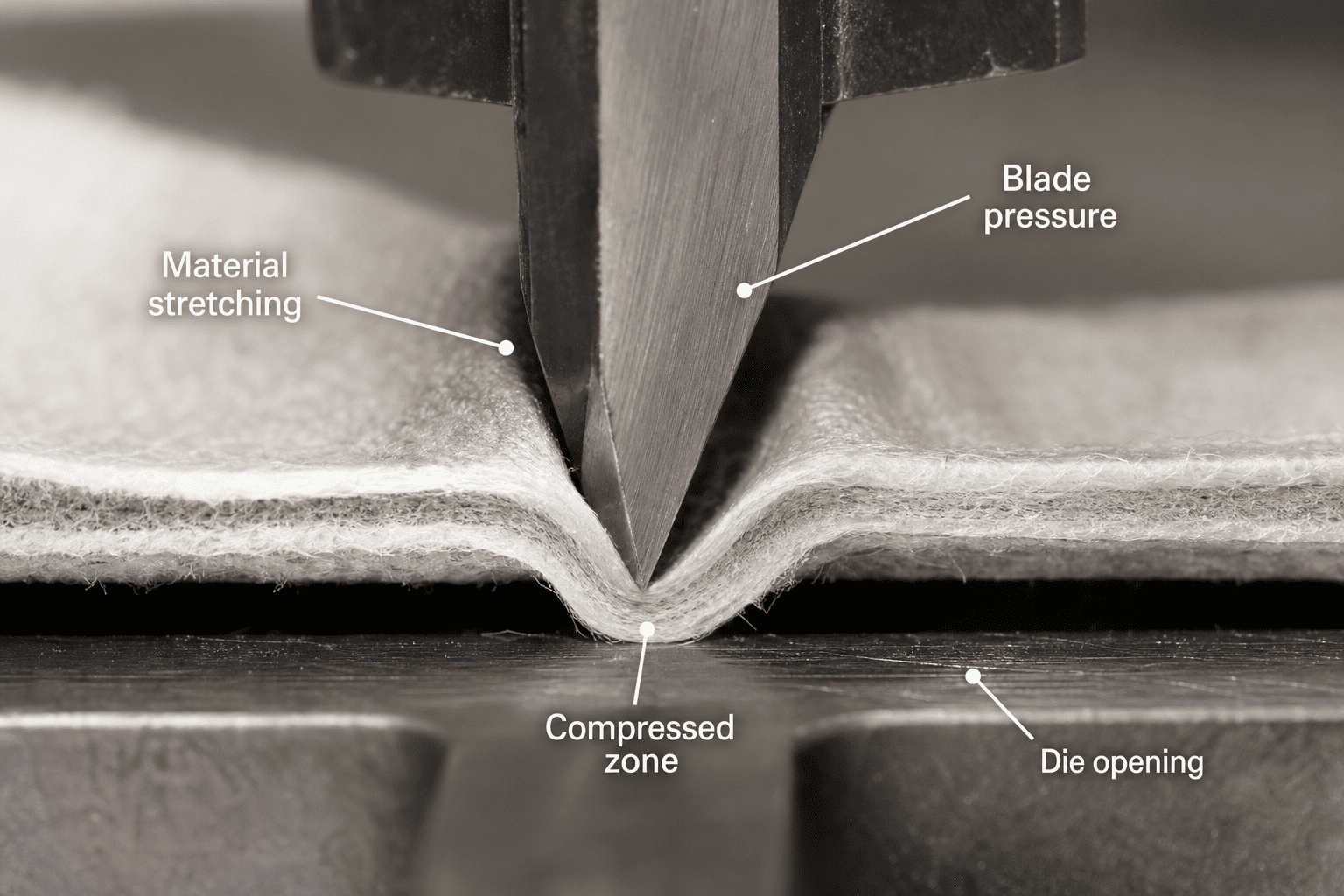
Navigating through the world of die-cutting can seem daunting, but this guide will help clarify everything you need to know about suitable materials. Let's dive into the specifics that can make or break your projects.
Which Adhesives Can Be Die Cut?
Die-cutting involves creating precise shapes and designs from different materials using a die. But not all adhesives are equal when it comes to this process.
There's a common misconception that all adhesive materials can seamlessly transition into die-cut products. However, this isn't the case. Thickness, material type, and the intended application context are vital factors determining the success of die-cutting.
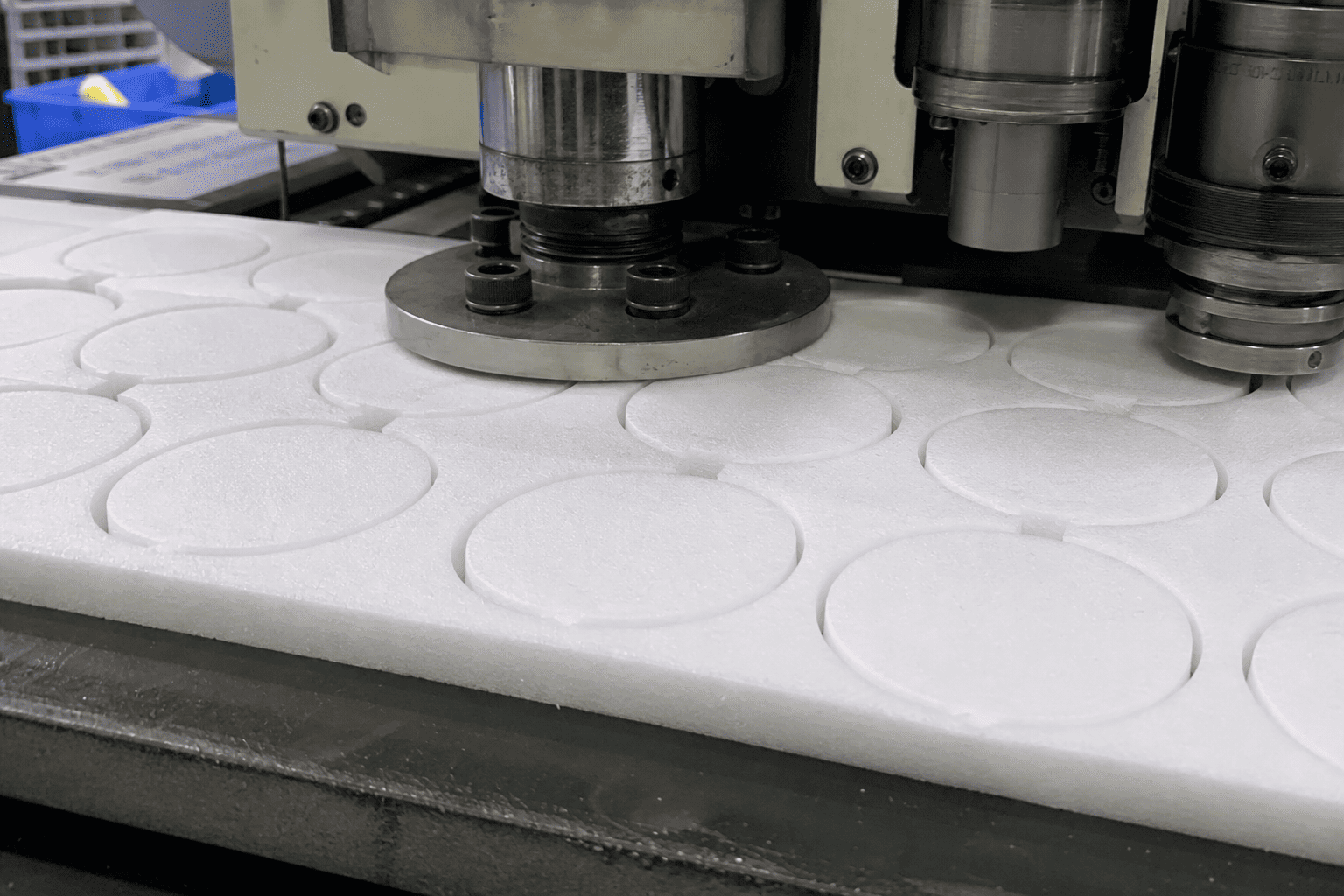
In applications where precision is paramount, each type of adhesive might require different considerations:
- Thin films are easier to die-cut but may not offer sufficient durability.
- Thicker materials could lead to challenges if the cutting tools aren't adequately calibrated.
Understanding these aspects can save you time, materials, and money in the die-cutting process.
Why Is Material Thickness Important?
The thickness of the material significantly impacts die-cutting versatility and feasibility. In general, there are accepted thickness ranges that correlate with the performance of a die-cutting operation.
To prevent issues such as incomplete cuts or excessive pressure on the die, manufacturers often categorize materials into different thickness levels:
- Thin materials: Tend to yield cleaner cuts but may require faster speeds during die-cutting.
- Medium thickness materials: Offer a balance of durability and ease of cutting, making them a popular choice.
- Thick materials: Demand specialized tools and higher pressures, often leading to increased wear on cutting equipment.


When selecting materials for die-cutting, consider performance evaluation tests. They can provide critical insights into how certain thicknesses respond to your chosen manufacturing process.
How Do Complex Structures Affect Die-Cutting?
Die-cutting isn't just about the primary material; complex multilayer structures present their own sets of challenges. Multilayer provides added benefits for applications like thermal management or electrical insulation but can complicate die-cutting.
When dealing with multilayer structures, you might encounter challenges such as:
- Unique material properties that interact differently when layered.
- Increased requirement for precise alignment during die-cutting for effective performance.
- Need for advanced die setups to manage the diverse thicknesses and materials involved.


To navigate these complexities, I recommend collaborating closely with technologists who understand both the materials and die-cutting processes. They can help you design techniques that ensure quality and precision.
Which Industries Benefit from Die-Cutting?
Die-cutting has versatile applications across various industries, including consumer electronics, automotive, and healthcare. Each sector has unique technical challenges and requirements when it comes to material selection.
-
Consumer Electronics: The demand for thin, precise materials is ever-present, especially in smartphones or laptops. Materials used here often include lightweight films that adhere well without adding bulk.
-
Automotive: Adhesives for bodywork and electrical insulation are crucial. The thickness and durability of materials can significantly impact vehicle performance and safety.
-
Healthcare: Medical devices often require biocompatible materials that align with stringent regulatory standards while also being die-cut for effective assembly.


By adjusting your material choices based on industry requirements, you can enhance the performance and longevity of your products while remaining compliant with regulations.
Frequently Asked Questions
What types of materials are commonly die-cut?
Common materials include various adhesive films, rubber, plastics, and paper. Each material type has specific characteristics that impact the die-cutting process.
How do I know if a material is suitable for die-cutting?
Evaluate material thickness, type, and the intended application. You can run tests or consult with specialists to ensure compatibility.
Are there any limitations to die-cutting?
Yes, challenges related to precision, thickness, and complex structures exist. Understanding these limitations aids in making informed decisions.
Is die-cutting suitable for multilayer materials?
Yes, it can be, but multilayer materials present additional challenges. Precision in alignment and specialized dies may be required.
How can I optimize the die-cutting process?
Focus on selecting the right materials for your specific industry needs, considering factors like thickness and complexity, to enhance efficiency and reduce waste.
Conclusion
Choosing the right materials for die-cutting is a nuanced process that requires a deep understanding of various factors, including material type, thickness, and complexity. By considering these elements, you can prevent selection errors and streamline your manufacturing processes.
Don’t overlook the importance of tailored material selection across industries. Emphasizing precision will ultimately help you mitigate risks and ensure quality in your die-cutting operations. If you’re unsure about your material choices or need assistance, feel free to browse our website for expert insights and solutions tailored to your needs.